

 2


|


|
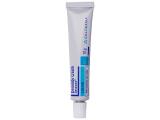
Desonate, with the active ingredient Desonide with a 0.05% concentration, is a gentle corticosteroid cream used to treat inflammatory skin conditions like eczema. It reduces swelling, redness, and itching when applied regularly.
|

|
10g
1tube |

|
$35.99
$29.99 $29.99 per tube |
+ Package delivery insurance + Next orders 10% discount |
ADD TO CART save: $0.00 |
|
|
+ Package delivery insurance + Next orders 10% discount |
|||||
|
10g
2tubes |
|
$64.79
$53.99 $27.00 per tube |
+ Package delivery insurance + Next orders 10% discount |
ADD TO CART save: $5.98 |
|
|
+ Package delivery insurance + Next orders 10% discount |
|||||
|
10g
3tubes |
|
$89.99
$74.99 $25.00 per tube |
+ Package delivery insurance + Next orders 10% discount |
ADD TO CART save: $14.97 |
|
|
+ Package delivery insurance + Next orders 10% discount |
|||||
|
10g
4tubes |
|
$105.59
$87.99 $22.00 per tube |
+ Package delivery insurance + Next orders 10% discount |
ADD TO CART save: $31.96 |
|
|
+ Package delivery insurance + Next orders 10% discount |
|||||
|
10g
5tubes |
|
$119.99
$99.99 $20.00 per tube |
+ Package delivery insurance + Next orders 10% discount |
ADD TO CART save: $49.95 |
|
|
+ Package delivery insurance + Next orders 10% discount |
|||||

October
 |
|
Delivery period 14-21 days |
14.95$ | Tracking# available in 4 days |
 |
|
Delivery period 9-14 days |
30$ | Tracking# available in 2 days |
Common use
Desonate is a low potency steroid cream containing desonide, a mild yet effective topical corticosteroid used to relieve the inflammation, itching, redness, and irritation caused by a variety of dermatological skin conditions. When you buy Desonate online, you are choosing a gentle, dermatologist-recommended eczema treatment suitable for both adults and children, including use on delicate and sensitive skin areas where stronger corticosteroids would be inappropriate or potentially harmful.
This desonide formulation is primarily prescribed for atopic dermatitis (the most common form of eczema, affecting millions of people worldwide), allergic contact dermatitis, irritant contact dermatitis, seborrheic dermatitis, nummular eczema, and a range of other inflammatory skin disorders that respond favorably to topical corticosteroid therapy. Atopic dermatitis in particular is a chronic, relapsing condition characterized by intensely itchy, dry, inflamed, and sometimes weeping or crusting skin that significantly impacts quality of life, sleep quality, and daily functioning — Desonate helps break the itch-scratch cycle and restores the skin's comfort and appearance.
As a low potency steroid (classified as Class VI on the seven-class corticosteroid potency scale), Desonate is considered one of the safest topical corticosteroids available for general use, making it particularly appropriate and commonly prescribed for sensitive anatomical areas such as the face, eyelids, neck, groin, axillae (underarms), and intertriginous skin folds (skin-on-skin areas) where higher-potency steroids are more likely to cause skin thinning, stretch marks, and other adverse effects. It is also a preferred choice for treating skin inflammation in infants, young children, and elderly patients whose skin is naturally thinner and more vulnerable to corticosteroid side effects. The Desonate generic equivalent provides the same dermatologist-recommended, clinically proven formula for effective skin inflammation relief at an accessible and affordable price point.
Dosage and direction
Apply a thin, even layer of Desonate to the affected skin area twice daily (morning and evening), or as specifically directed by your healthcare provider or dermatologist. Gently rub the mild steroid cream into the skin using light, circular motions until it is evenly absorbed and no visible residue remains on the surface. Use only the amount needed to adequately cover the affected area — excessive application does not improve results or accelerate healing and may significantly increase the risk of both local and systemic side effects, especially with prolonged use.
Do not apply this desonide product to broken, weeping, infected, or ulcerated skin unless your doctor has specifically evaluated the area and instructed you to do so, as applying corticosteroids to infected skin without concurrent antimicrobial treatment can mask the signs of infection while allowing it to spread. Avoid application near the eyes, on the eyelid margins where the cream could migrate into the eye, on mucous membranes (inside the mouth, nose, or genital mucosa), or under tight occlusive dressings (such as plastic wrap or waterproof bandages) unless explicitly directed by your physician, as occlusion dramatically increases drug absorption and the risk of side effects.
For atopic dermatitis treatment in infants and young children, use the lowest effective amount for the shortest duration necessary to achieve symptom control, and do not apply to areas covered by diapers or tight-fitting plastic pants, as these act as occlusive dressings. Wash your hands thoroughly with soap and water after each application unless you are specifically treating the hands themselves. If your dermatologist prescribes Desonate as part of a multi-product skin care regimen (with moisturizers, barrier creams, or other topical medications), ask about the proper sequence and timing of applications to ensure optimal absorption and effectiveness of each product.
Precautions
Before you buy desonide cream, inform your doctor or dermatologist if you have a history of skin infections (bacterial such as impetigo, viral such as herpes simplex or varicella, or fungal such as tinea or candidiasis), skin thinning or atrophy from previous corticosteroid use, rosacea, acne, perioral dermatitis, immune system disorders or immunodeficiency, diabetes (as corticosteroids can elevate blood glucose), or if you are currently pregnant or breastfeeding.
This topical corticosteroid should be used with particular caution and for the shortest duration necessary on the face, neck, underarms, groin, and intertriginous areas, as the skin in these regions is naturally thinner and has higher percutaneous absorption rates, making it more susceptible to corticosteroid-induced skin thinning (cutaneous atrophy), telangiectasia (visible spider veins), striae (stretch marks), perioral dermatitis, steroid rosacea, and pigmentation changes with prolonged use. These changes may be slow to develop but can be difficult to reverse once established.
In children, even extended use of a low potency steroid like Desonate may potentially affect linear growth velocity and adrenal function due to increased systemic absorption through naturally thinner pediatric skin, larger body surface area-to-weight ratio, and the potential for inadvertent occlusion from diapers. Pediatric patients on prolonged topical corticosteroid therapy should have their growth monitored at regular intervals and should be assessed for signs of HPA axis suppression if treatment extends beyond a few weeks.
Do not use this eczema treatment for longer than the prescribed duration without medical re-evaluation. If the treated area does not show meaningful improvement within 2 weeks, or if the condition actually worsens during treatment, discontinue use and consult your healthcare provider for re-evaluation, as the underlying condition may require a different diagnosis or treatment approach. Avoid covering treated areas with tight-fitting garments, occlusive dressings, or non-breathable materials unless directed by your dermatologist.
Contraindications
Do not use Desonate if you are allergic to desonide or any of the formulation's inactive components (including preservatives, emulsifiers, or fragrances in the specific product). This mild steroid cream should not be used as a primary or sole treatment for bacterial skin infections (such as impetigo, cellulitis, or infected wounds), viral skin infections (including herpes simplex, herpes zoster/shingles, varicella/chickenpox, and molluscum contagiosum), or fungal skin infections (such as tinea corporis, tinea pedis, or cutaneous candidiasis) without appropriate concurrent antimicrobial therapy, as the immunosuppressive and anti-inflammatory properties of topical corticosteroids may mask the clinical signs and symptoms of infection while simultaneously allowing the pathogen to proliferate unchecked and the infection to spread.
Do not use Desonate for the treatment of acne vulgaris, rosacea, or perioral dermatitis, as topical corticosteroids — even mild ones — can significantly worsen these conditions, sometimes dramatically. Corticosteroid-induced rosacea and steroid-dependent perioral dermatitis are recognized clinical entities that develop from inappropriate use of topical steroids on the face and can be very difficult to treat once established. This desonide cream is also not appropriate for use on deep, penetrating wounds, surgical incisions, or extensive burns without specific dermatological guidance.
Possible side effect
Common side effects of this desonide topical corticosteroid include mild localized skin burning, tingling, or stinging upon application, which typically resolves within minutes. Some patients may notice transient skin dryness, peeling, mild redness, or irritation at the application site during the initial days of treatment, which usually diminishes as the skin adjusts to the medication and the underlying inflammation begins to resolve.
With prolonged, frequent, or extensive use — particularly on sensitive areas, under occlusion, or in patients with naturally thin skin — even a low potency steroid like Desonate can cause local cutaneous side effects including skin thinning and atrophy (the skin becomes thin, fragile, and transparent-appearing), stretch marks or striae (especially in skin folds and flexural areas), telangiectasia (visible, dilated superficial blood vessels), changes in skin pigmentation (either hypopigmentation or hyperpigmentation), miliaria (heat rash), folliculitis, hypertrichosis (excessive hair growth at the treatment site), and delayed wound healing.
Rare but potentially serious systemic effects from prolonged or extensive topical corticosteroid use — particularly in children, patients using occlusive dressings, or those applying the medication to large body surface areas — include suppression of the hypothalamic-pituitary-adrenal (HPA) axis leading to adrenal insufficiency, Cushing's syndrome symptoms (moon face, central obesity, buffalo hump, easy bruising, skin thinning, elevated blood glucose), growth retardation in pediatric patients, and intracranial hypertension in children. Contact your healthcare provider if you notice unusual skin changes at the treatment site, signs of skin infection (increased redness, warmth, pus, pain), worsening of the treated condition, or any persistent adverse reactions.
Drug interaction
Since Desonate is applied topically and has relatively low systemic absorption at recommended doses and treatment durations, clinically significant systemic drug interactions are unlikely under normal use conditions. However, it is important to inform your doctor about any other topical medications, prescription skin creams, over-the-counter lotions, moisturizers with active ingredients, or corticosteroids (whether topical, inhaled, intranasal, or oral/systemic) you are currently using. This helps avoid overexposure to corticosteroids and the potential for additive corticosteroid effects that could increase the risk of HPA axis suppression and other systemic complications.
Using multiple topical corticosteroids simultaneously on the same or different body areas, or combining topical corticosteroids with oral or inhaled corticosteroids, may increase the total cumulative steroid load absorbed through the skin and other routes, raising the overall risk of systemic effects. If you are using other medicated skin products (such as topical antibiotics, antifungals, retinoids, calcineurin inhibitors like tacrolimus or pimecrolimus, or medicated moisturizers) on the same area, ask your doctor or pharmacist about the proper spacing, sequence, and layering order to ensure both treatments work effectively without interfering with each other or excessive drug mixing on the skin surface.
Missed dose
If you forget to apply a scheduled dose of Desonate, use it as soon as you remember. If it is nearly time for your next scheduled application, simply skip the missed dose and continue with your regular twice-daily routine. Do not apply extra or a thicker layer of desonide cream to compensate for a missed application, as overuse of this topical corticosteroid may increase the risk of local side effects (skin thinning, irritation) and, with excessive use, systemic side effects. Missing an occasional application is unlikely to significantly affect treatment outcomes, but consistent twice-daily use as prescribed provides the best results for controlling skin inflammation and itch.
Overdose
Excessive or prolonged use of Desonate beyond the prescribed duration or recommended amount can lead to increased systemic absorption of desonide, potentially causing corticosteroid-related side effects such as suppression of the hypothalamic-pituitary-adrenal (HPA) axis and adrenal insufficiency, elevated blood sugar (hyperglycemia), or Cushing's syndrome symptoms including weight gain, moon-shaped facial appearance, central body fat redistribution, easy bruising, and progressive skin thinning. In the event of suspected chronic overuse of this eczema treatment, gradually discontinue application (abrupt cessation after prolonged use may trigger a rebound flare of the underlying dermatitis) and contact your healthcare provider for evaluation and guidance.
If accidental oral ingestion of a significant amount of Desonate cream occurs (particularly in children), seek medical attention or contact a poison control center immediately, although significant systemic toxicity from a single oral ingestion of a topical corticosteroid product is uncommon. Treatment is supportive and symptomatic.
Storage
Store Desonate at room temperature between 68°F and 77°F (20°C to 25°C), away from heat, direct light, and freezing temperatures, which can alter the physical properties and drug distribution within the cream formulation. Keep the tube, jar, or container tightly closed when not in use to prevent contamination and drying out, and store out of reach of children and pets at all times. Do not use this mild steroid cream past its printed expiration date, as the potency and microbiological quality of the product cannot be guaranteed after expiration. Dispose of any expired or unused product properly according to your local pharmacy's disposal guidelines — do not flush down drains or discard in regular household waste unless directed.
Disclaimer
We provide only general information about medications which does not cover all directions, possible drug integrations, or precautions. Information at the site cannot be used for self-treatment and self-diagnosis. Any specific instructions for a particular patient should be agreed with your health care adviser or doctor in charge of the case. We disclaim reliability of this information and mistakes it could contain. We are not responsible for any direct, indirect, special or other indirect damage as a result of any use of the information on this site and also for consequences of self-treatment.
