

 2


|


|
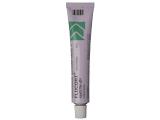
Synalar cream contains Fluocinolone acetonide, a corticosteroid used to relieve skin inflammation and itching. It is effective in treating conditions like eczema, dermatitis, and allergic rashes. It is available on the market as a 20 g tube
|

|
0.025%
1tube |

|
$41.99
$34.99 $34.99 per tube |
+ Package delivery insurance + Next orders 10% discount |
ADD TO CART save: $0.00 |
|
|
+ Package delivery insurance + Next orders 10% discount |
|||||
|
0.025%
2tubes |
|
$79.19
$65.99 $32.99 per tube |
+ Package delivery insurance + Next orders 10% discount |
ADD TO CART save: $4.00 |
|
|
+ Package delivery insurance + Next orders 10% discount |
|||||
|
0.025%
3tubes |
|
$107.99
$89.99 $30.00 per tube |
+ Package delivery insurance + Next orders 10% discount |
ADD TO CART save: $14.97 |
|
|
+ Package delivery insurance + Next orders 10% discount |
|||||
|
0.025%
4tubes |
|
$119.99
$99.99 $25.00 per tube |
+ Package delivery insurance + Next orders 10% discount |
ADD TO CART save: $39.96 |
|
|
+ Package delivery insurance + Next orders 10% discount |
|||||
|
0.025%
5tubes |
|
$131.99
$109.99 $22.00 per tube |
+ Package delivery insurance + Next orders 10% discount |
ADD TO CART save: $64.95 |
|
|
+ Package delivery insurance + Next orders 10% discount |
|||||

October
 |
|
Delivery period 14-21 days |
14.95$ | Tracking# available in 4 days |
 |
|
Delivery period 9-14 days |
30$ | Tracking# available in 2 days |
Common Use
Synalar is a well-established topical corticosteroid cream containing fluocinolone acetonide, a synthetic glucocorticoid prescribed by dermatologists worldwide to treat a broad spectrum of inflammatory and pruritic (itchy) skin conditions including eczema (atopic dermatitis), contact dermatitis, seborrheic dermatitis, psoriasis, allergic skin reactions, discoid lupus erythematosus, neurodermatitis, and various other forms of acute and chronic skin inflammation. This trusted steroid cream works by penetrating the skin barrier and powerfully suppressing the local immune and inflammatory response — reducing the production of inflammatory mediators, decreasing capillary permeability, and stabilizing cell membranes — which rapidly and effectively reduces the inflammation, redness, intense itching, scaling, and swelling that characterize these often debilitating dermatological conditions. When you buy Synalar online from our pharmacy, you receive a proven fluocinolone formulation that provides reliable, rapid relief from the discomfort and visible symptoms of inflammatory skin disorders, restoring skin comfort and improving quality of life. Synalar is classified as a medium-potency topical corticosteroid (Group IV-V on the potency classification scale), making it particularly suitable for treating moderate skin inflammation on the trunk, extremities, and scalp while maintaining a favorable safety and tolerability profile for short-to-medium-term treatment courses. As a widely available Synalar generic equivalent, fluocinolone acetonide preparations offer the same dermatologist-trusted eczema treatment and psoriasis cream benefits at an affordable price. This versatile dermatitis medication is one of the most commonly prescribed topical steroids globally, valued by both healthcare providers and patients for its effectiveness in quickly calming acutely inflamed, irritated, and itchy skin and for restoring the skin barrier to a healthier, more comfortable state.
Dosage and Direction
Apply a thin, uniform layer of Synalar cream to the affected skin area one to three times daily, or as specifically directed by your prescribing doctor based on the severity of your condition, the body site being treated, and your individual response to therapy. Gently and thoroughly rub the steroid cream into the skin using clean fingertips until it is evenly distributed and fully absorbed — avoid leaving visible residue on the skin surface. Wash your hands thoroughly with soap and water before and after each application, unless you are specifically treating a skin condition on your hands. Use the smallest amount of fluocinolone necessary to adequately cover the affected area with a thin film — applying more product than needed will not accelerate healing but may significantly increase the risk of local and systemic side effects through enhanced absorption. For eczema treatment and dermatitis management on the face and intertriginous areas (skin folds such as the groin, axillae, and under the breasts), treatment courses should be kept as short as possible — typically no longer than 1 to 2 weeks — due to the increased skin sensitivity and higher absorption rates in these regions. For other body areas such as the trunk and extremities, treatment may extend up to 4 weeks, but the need for continued therapy should be reassessed regularly by your healthcare provider. Do not apply Synalar under occlusive dressings, plastic wraps, or airtight bandages unless specifically instructed by your dermatologist, as occlusion dramatically increases corticosteroid absorption by up to 10-fold and significantly raises the risk of both local skin damage and systemic side effects. Avoid applying this psoriasis cream or skin inflammation treatment to broken, ulcerated, weeping, or actively infected skin unless your doctor has also prescribed appropriate concurrent antimicrobial therapy to address the infection.
Precautions
Before you buy fluocinolone or begin using Synalar, discuss your skin condition thoroughly with your healthcare provider and inform them of your complete dermatological and medical history. It is particularly important to report any concurrent skin infections (bacterial, fungal, or viral), rosacea, acne vulgaris, perioral dermatitis, thinning or fragile skin, poor wound healing, or any previous adverse reactions to topical corticosteroids. Prolonged or excessive use of this topical corticosteroid — particularly on the face, eyelids, skin folds, genital area, or large body surface areas — can lead to a range of irreversible or difficult-to-treat local skin changes including cutaneous atrophy (thinning and fragility of the skin), stretch marks (striae) that are permanent, easily visible blood vessels under the skin surface (telangiectasia), purpura (easy bruising), and significantly increased susceptibility to bacterial, fungal, and viral skin infections due to local immunosuppression. Use Synalar with particular caution in children and infants, as their higher skin surface area to body weight ratio makes them substantially more susceptible to systemic absorption and potential adverse effects including growth suppression, adrenal suppression, and Cushing's syndrome — pediatric use should always be under close medical supervision with the lowest effective dose for the shortest possible duration. Elderly patients with naturally thinner, more fragile skin should also use this steroid cream cautiously, as age-related skin changes increase the risk of atrophy and bruising. Never use Synalar as a daily moisturizer, a cosmetic skin lightener, or for any skin condition that has not been properly diagnosed by a qualified healthcare professional. If your skin inflammation, eczema, or psoriasis does not improve within 2 weeks of consistent treatment, or if your condition noticeably worsens despite treatment, consult your doctor promptly for diagnostic reassessment — the underlying condition may require a different therapeutic approach. Long-term continuous use of topical corticosteroids can lead to topical steroid withdrawal syndrome (also known as "red skin syndrome") upon abrupt discontinuation — characterized by intense burning, stinging, widespread redness, and skin sensitivity — so always taper gradually under medical supervision if the medication has been used for extended periods. Protect treated skin areas from excessive sun and UV exposure, as corticosteroid-treated skin is thinner, more photosensitive, and more vulnerable to UV-induced damage.
Contraindications
Do not use Synalar if you have a known allergy or hypersensitivity to fluocinolone acetonide, other corticosteroids of any class, or any excipient or preservative present in the cream formulation. This topical corticosteroid is strictly contraindicated for the treatment of untreated bacterial skin infections (such as impetigo or cellulitis), fungal skin infections (including ringworm/tinea, athlete's foot/tinea pedis, candidiasis/yeast infections, and pityriasis versicolor), and viral skin infections (including herpes simplex/cold sores, varicella/chickenpox, herpes zoster/shingles, and molluscum contagiosum), as corticosteroids suppress the local immune defense and can allow these infections to spread unchecked, worsen dramatically, and potentially become systemic. Synalar should not be applied to acne, rosacea, or perioral dermatitis, as corticosteroids characteristically and predictably aggravate these conditions, often triggering severe rebound flares. It is contraindicated on deeply ulcerated skin, venous leg ulcers, or open surgical wounds without concurrent and appropriate antimicrobial treatment. Synalar generic formulations carry identical contraindications and safety warnings. Do not use this skin inflammation medication in the diaper area of infants for prolonged periods, as the naturally occlusive environment created by diapers significantly increases corticosteroid absorption and the risk of systemic effects in vulnerable infants. Patients with documented severe adverse reactions to any topical corticosteroid — including severe contact allergy, extensive skin atrophy, or systemic corticosteroid effects from previous topical use — should avoid fluocinolone products and discuss alternative non-steroidal treatment options with their dermatologist.
Possible Side Effect
Common side effects of this fluocinolone steroid cream include mild and usually transient burning, stinging, or itching at the application site during the first few days of use, localized skin dryness, and folliculitis (inflammation of hair follicles presenting as small red bumps). These effects are generally mild, self-limiting, and tend to resolve as the skin adapts to treatment. With prolonged, extensive, or inappropriate use beyond recommended treatment durations, more clinically significant dermatological side effects may develop, including progressive skin thinning and fragility (cutaneous atrophy), stretch marks (striae) — particularly in naturally thin skin areas such as the inner thighs, armpits, and skin folds — easy bruising and purpura, visible dilated blood vessels under the skin surface (telangiectasia), hypopigmentation (lightening or bleaching of the treated skin area), hypertrichosis (increased or unusual hair growth at the application site), and miliaria (heat rash). Perioral dermatitis and steroid-induced acneiform eruptions can develop, especially with prolonged facial application. Significant systemic absorption resulting from extensive application to large body surface areas, prolonged treatment, or use under occlusive dressings can potentially lead to hypothalamic-pituitary-adrenal (HPA) axis suppression and adrenal insufficiency, Cushing's syndrome symptoms (moon face, central weight gain, skin fragility, glucose intolerance), and measurable growth retardation in children. Allergic contact dermatitis to the corticosteroid molecule itself or to components of the cream base (such as preservatives or emulsifiers) may develop, paradoxically presenting as worsening redness and irritation of the skin condition — this important possibility should be considered and distinguished from primary treatment failure. Rare but serious effects include glaucoma and posterior subcapsular cataracts if fluocinolone is applied near the eyes for extended periods, as the corticosteroid can penetrate through the thin periorbital skin and affect intraocular pressure. Discontinue use and consult your doctor promptly if you notice worsening skin inflammation despite treatment, signs of secondary skin infection (increased pain, warmth, pus, honey-colored crusting), unusual or unexpected skin changes, significant skin thinning, or any systemic symptoms during eczema treatment or psoriasis management.
Drug Interaction
Topical drug interactions with Synalar are relatively uncommon when the cream is used as directed on limited skin areas for recommended treatment durations. However, to maximize treatment safety and effectiveness, avoid simultaneously applying other topical corticosteroids, topical retinoids (tretinoin, adapalene, tazarotene), or heavily medicated skin products to the same area, as this can unpredictably increase the risk of adverse effects, alter the absorption rate and penetration depth of fluocinolone, or cause additive skin irritation and damage. If you are using multiple topical treatments for different skin conditions or applying several products to the same body region, space applications apart by at least 15 to 30 minutes and discuss the optimal order and timing of application with your dermatologist. Combining Synalar with other corticosteroid-containing products — including inhaled corticosteroids for asthma, intranasal steroids for allergies, or oral/injectable corticosteroids for systemic conditions — may increase the overall cumulative corticosteroid burden on the body, potentially raising the risk of clinically significant systemic side effects such as adrenal suppression, bone density loss, glucose intolerance, and immune suppression. Using calcineurin inhibitors (tacrolimus or pimecrolimus) on the same area as topical corticosteroids should be done only under dermatological supervision. Inform your healthcare provider comprehensively about all topical and systemic medications you are currently using, including prescription products, over-the-counter skin creams and ointments, antibiotic or antifungal preparations, cosmeceuticals, and any herbal or natural remedies applied to the skin, so that potential interactions and cumulative effects can be properly assessed.
Missed Dose
If you miss a scheduled application of Synalar, apply it as soon as you remember on the same day. If it is already nearly time for your next scheduled application, skip the missed dose and continue with your regular treatment routine — do not apply extra cream or a double layer to compensate for the missed application, as excess application increases the risk of local side effects without improving therapeutic outcomes. Consistent and regular application of this dermatitis and eczema treatment cream is important for effectively controlling ongoing skin inflammation and achieving optimal symptom relief. However, missing an occasional single application of topical corticosteroid is unlikely to significantly impact overall treatment outcomes or cause a flare of your condition. If you are having persistent difficulty maintaining your application schedule, discuss simplified dosing options or alternative formulations with your dermatologist — in some cases, once-daily application may be as effective as more frequent dosing, offering improved adherence with equivalent results.
Overdose
Chronic overuse, excessive application, or inappropriate long-term use of Synalar — particularly when applied to large body surface areas, under occlusive dressings, or for durations significantly exceeding medical recommendations — can result in clinically significant systemic absorption of fluocinolone acetonide. This may cause suppression of the hypothalamic-pituitary-adrenal (HPA) axis leading to secondary adrenal insufficiency, clinical features of Cushing's syndrome (characteristic moon face, truncal obesity, skin fragility, easy bruising, glucose intolerance, hypertension, and muscle weakness), hyperglycemia, glycosuria, and metabolic disturbances. In children, excessive and prolonged topical corticosteroid use can cause measurable growth retardation, delayed puberty, and benign intracranial hypertension (pseudotumor cerebri) presenting as headaches, visual disturbances, and papilledema. In case of accidental oral ingestion of the cream — particularly by a child — seek emergency medical attention promptly. Although acute toxicity from a single accidental ingestion of topical corticosteroid cream is relatively rare, gastrointestinal irritation, nausea, and systemic steroid effects may occur depending on the quantity ingested. If chronic overuse or HPA axis suppression is identified or suspected, the corticosteroid should be gradually withdrawn under close medical supervision through a structured tapering protocol rather than stopped abruptly, to allow the suppressed adrenal glands adequate time to recover normal cortisol production. Contact your healthcare provider if you suspect you have been using significantly more Synalar than prescribed or for substantially longer than recommended.
Storage
Store Synalar cream at room temperature between 15°C and 30°C (59°F to 86°F), in a dry location protected from excessive heat, humidity, moisture, and direct sunlight. Keep the tube tightly closed and properly capped when not in use to prevent microbial contamination, oxidation, and drying of the cream formulation. Do not freeze this topical corticosteroid, as freezing can irreversibly alter the emulsion structure, destabilize the formulation, and reduce therapeutic effectiveness. Keep Synalar and all skin medications securely out of reach of children and household pets. Do not continue to use the cream if it has noticeably changed in color, texture, consistency, or odor, as these changes may indicate chemical degradation of the active ingredient or microbial contamination of the product. Dispose of expired or unused fluocinolone cream properly and responsibly according to your pharmacist's specific guidance, through local medication take-back programs, or following applicable guidelines for safe disposal of topical pharmaceutical products.
Disclaimer
We provide only general information about medications which does not cover all directions, possible drug integrations, or precautions. Information at the site cannot be used for self-treatment and self-diagnosis. Any specific instructions for a particular patient should be agreed with your health care adviser or doctor in charge of the case. We disclaim reliability of this information and mistakes it could contain. We are not responsible for any direct, indirect, special or other indirect damage as a result of any use of the information on this site and also for consequences of self-treatment.
